
Welcome To Our Blog
A Resource For Prepared Parents

What to Do If Your Baby Has an Allergic Reaction
Know the signs of an allergic reaction in babies, when symptoms may be an emergency, when to use epinephrine, and what to do after a suspected food-allergy reaction.

How to Create a Family Emergency Plan: A Practical Guide for Parents
Creating a family emergency plan doesn't have to feel overwhelming. Learn what to include, from emergency contacts and meeting places to fire escape planning, children's needs, medications, pets and a 72-hour emergency kit.

Family Emergency Kit Checklist for Babies, Kids and Pets
Build a practical family emergency kit that goes beyond the basics. This checklist covers age-based additions for babies, toddlers, older kids and teens, plus pet supplies, medications, safe sleep considerations and easy kit maintenance.

Prevention Works, And the Data Proves It
Prevention isn’t a slogan — it’s measurable history. Over the past seven decades, heart disease and stroke deaths in Canada have dropped dramatically. As survival improves, the next focus is clear: consistent, proactive prevention that supports long-term heart and brain health.

What If You Could Estimate Your Heart Risk in Minutes?
Prevention can feel abstract — until it becomes personal. A free, evidence-based Risk Screen tool from Heart & Stroke helps estimate your cardiovascular risk in minutes. When we understand our baseline, prevention becomes clearer, calmer, and more actionable.
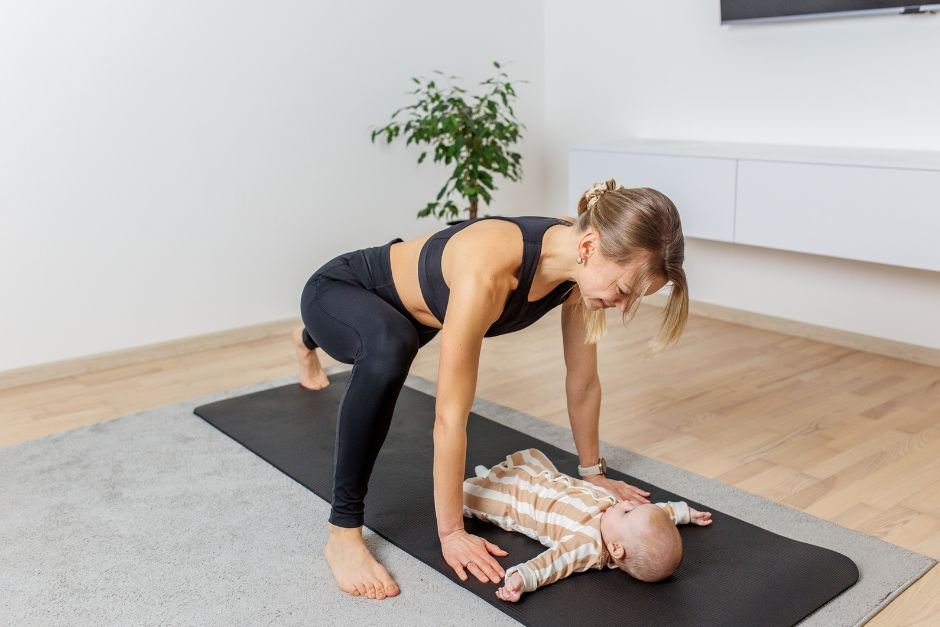
You Don’t Need a Drastic Overhaul to Protect Your Heart — Here’s What Actually Works
Heart health protection doesn’t require a complete lifestyle overhaul. Research continues to show that small, repeatable habits — like adding one vegetable, walking daily, or swapping one processed snack — can meaningfully reduce cardiovascular risk. When prevention becomes consistent, it becomes sustainable.

The Postpartum Care Cart: A Small Setup That Makes a Big Difference
A postpartum cart is a simple, movable setup that keeps essentials within reach during recovery and newborn care. From diapers and snacks to comfort items, this small setup can make the fourth trimester feel a little more supported.

Protect One — You Protect Both: The Heart–Brain Connection
Heart disease and stroke may feel separate, but they share the same vascular pathways. When we protect our blood vessels by managing blood pressure, reducing inflammation, and supporting healthy movement and nutrition, we’re protecting both cardiac and cognitive health for the long term.

Most Choking Happens at Home — Infant & Child CPR + Choking First Aid
Most choking incidents happen at home — during starting solids, infancy, and toddlerhood. This supportive guide explores age-appropriate choking risks and how Infant & Child CPR education helps caregivers feel calm, prepared, and confident.

Exhausted and Stressed? It Still Matters — Especially for Your Heart
Feeling exhausted and stretched thin is common — but chronic stress and sleep deprivation can influence heart health over time. When cortisol stays elevated and restorative sleep is disrupted, blood pressure and inflammation may rise. Small, consistent regulation habits can help reduce long-term cardiovascular strain.

Your Postal Code Can Influence Your Heart Health — Here’s Why That Matters
Heart health isn’t shaped by personal choices alone. Where we live — our access to healthcare, fresh food, safe spaces, and clean air — plays a measurable role in cardiovascular risk. Understanding these systemic influences helps shift the conversation from blame to advocacy, and from individual responsibility to collective prevention.

Easter Choking Hazards to Watch For + Safer Basket Ideas by Age
Easter is full of treats, egg hunts, and surprises — but some common foods and basket items can pose choking risks for young children. Here’s what we can watch for, plus safer, non-food Easter basket ideas by age.
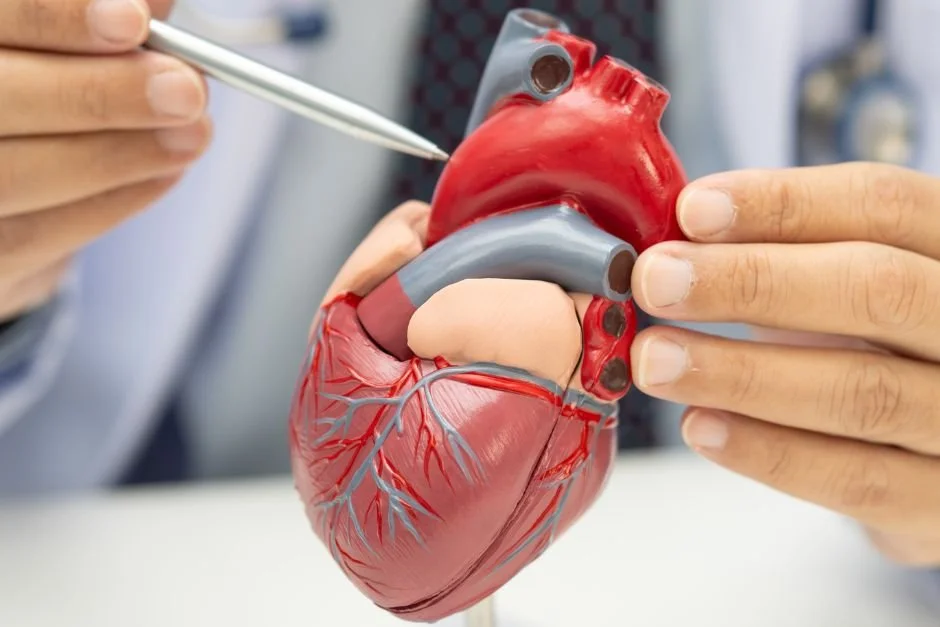
Heart Disease Deaths Dropped 80% — So Why Are We Still Concerned?
Heart disease deaths have declined by more than 80% over seven decades — a major public health success. But while survival has improved, risk factors like obesity, diabetes, and hypertension are rising. The next era of cardiovascular care is shifting from rescue to prevention — focusing on earlier awareness and healthier life before crisis.
Every Day Safety Starts Here: Why We Trust Safety 1st
At Bump + Baby Matters, we teach caregivers how to prevent common home injuries before they happen. That’s why partnering with Safety 1st felt like a natural fit — their products support the same everyday prevention we talk about in our safety education.

Why Regular Furnace Maintenance Is a Health & Safety Essential for Families
Furnace maintenance isn’t just about staying warm — it’s about health and safety. Learn how regular furnace care supports cleaner indoor air, respiratory health, and peace of mind for families, especially those with babies, children, or asthma.
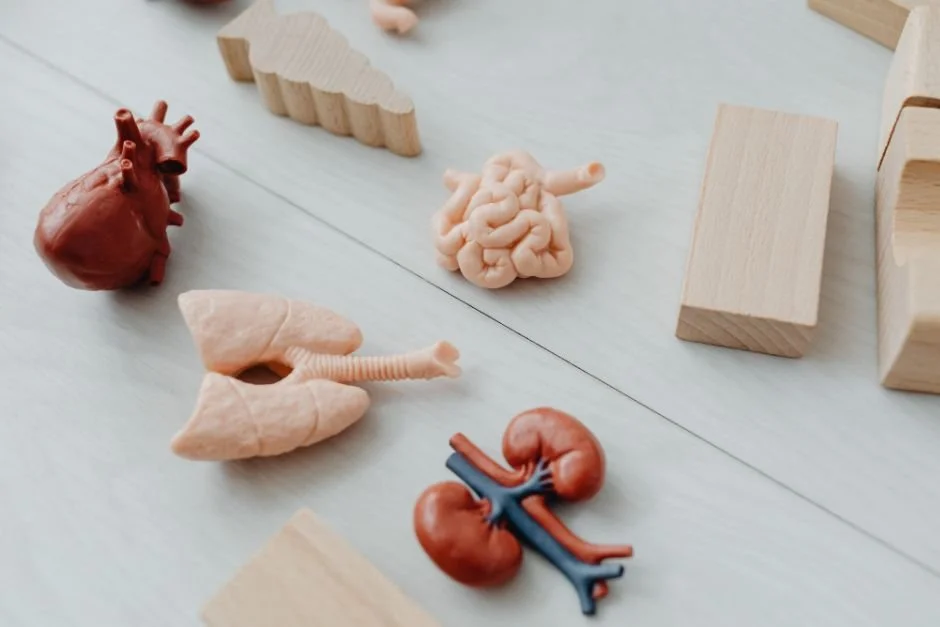
Not All Heart Risk Is Within Your Control — And That’s Exactly Why Awareness Matters
Not all heart risk is within our control. Age, genetics, biological sex, and ethnicity are considered nonmodifiable risk factors — but that doesn’t mean we’re powerless. When we understand our family history and risk patterns, we can take earlier, proactive steps that support long-term heart health.

Safe Storage Made Simple: Real-Life Options for Families
Safe storage can feel vague until we see what it looks like in real homes. This guide breaks down simple, layered storage options that work for everyday family life — by area of the home and by age — helping us reduce access and build safer environments without aiming for perfection.
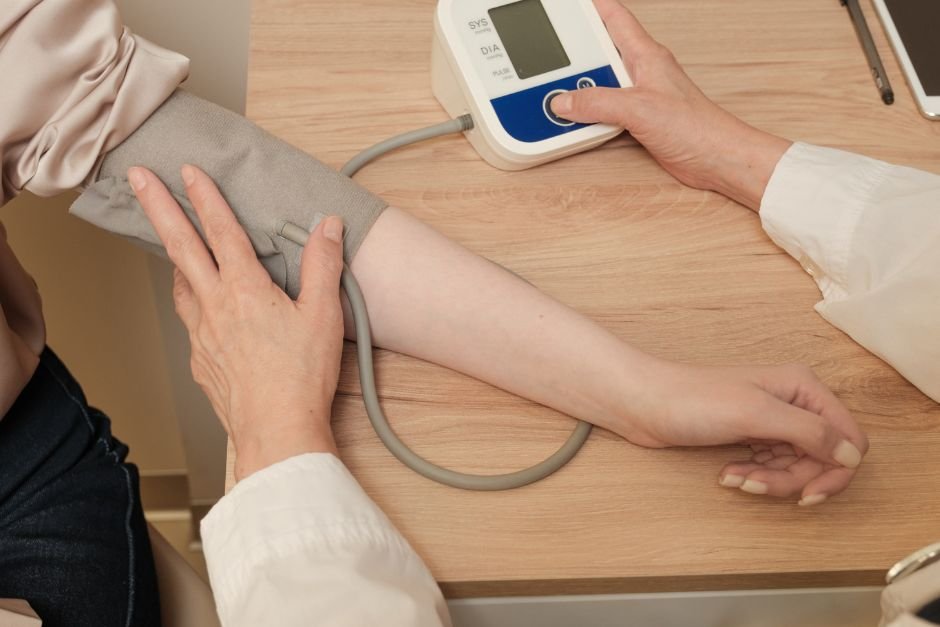
You Can’t Feel High Blood Pressure — And That’s the Problem
You can’t feel high blood pressure — and that’s what makes it one of the most significant cardiovascular risk factors in Canada. Hypertension, cholesterol changes, and diabetes often develop quietly over time. Knowing our numbers isn’t about alarm. It’s about awareness, early action, and protecting our health alongside the families we care for.

Choosing a Sleep Sack: A Cozy and Safer Sleep Solution
In those foggy first weeks with a newborn, setting up a safe sleep space can feel overwhelming. This guide breaks down exactly what to look for in a bassinet—from firmness and airflow to what to avoid—so you can rest easier knowing your baby is safe.

Are Parents Quietly Increasing Their Heart Risk?
We’ve made incredible progress in heart health across Canada — but many lifestyle-related risk factors are quietly rising. For parents and caregivers, chronic stress, sleep disruption, and busy routines can slowly shape long-term heart risk. This isn’t about alarm. It’s about awareness — and small, sustainable shifts that support our health alongside our families.