
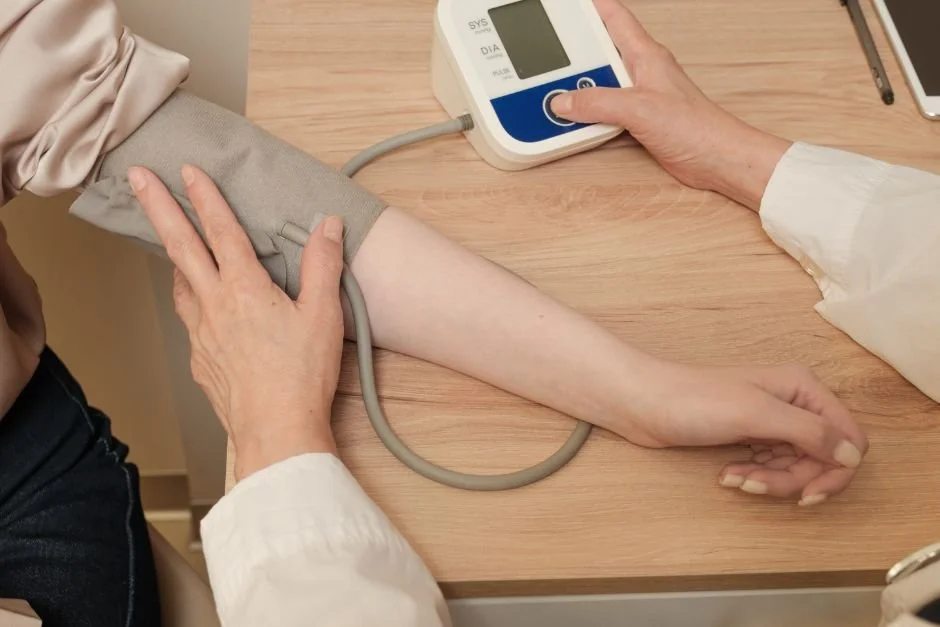
You can’t feel high blood pressure.
And that’s exactly why it remains one of the most significant cardiovascular risk factors in Canada.
Heart & Stroke’s national report identifies hypertension, high cholesterol and diabetes as major medical contributors to heart disease and stroke.
These conditions are measurable.
They are manageable.
But many people are unaware they have them.
The Physiology Behind “Silent” Risk
High blood pressure exerts constant force against arterial walls.
Over time, that pressure:
• Damages the lining of blood vessels
• Promotes plaque formation
• Stiffens arteries
• Increases clot risk
Because this damage occurs gradually, symptoms may not appear until a cardiovascular event occurs.
Cholesterol contributes to plaque buildup in arteries.
Diabetes accelerates vascular damage and inflammation.
These processes can unfold for years without warning signs.
Why Awareness Is Protective
Screening does not create risk.
It reveals it.
Regular blood pressure measurement, lipid panels and glucose screening allow:
• Early lifestyle intervention
• Medication when necessary
• Ongoing monitoring
• Risk reduction before an event
Heart & Stroke emphasizes the importance of increasing awareness and early detection at a population level.
That shift starts with individuals knowing their numbers.
A Preventative Mindset
Parents routinely:
• Schedule pediatric checkups
• Track growth charts
• Monitor developmental milestones
Cardiovascular screening is the adult equivalent.
It is routine maintenance.
Not emergency response.
Prevention becomes powerful when it becomes normal.
Learn More & Connect
Check out our Infant & Child CPR & Choking First Aid Class HERE!
Have questions? Message us on Instagram!