
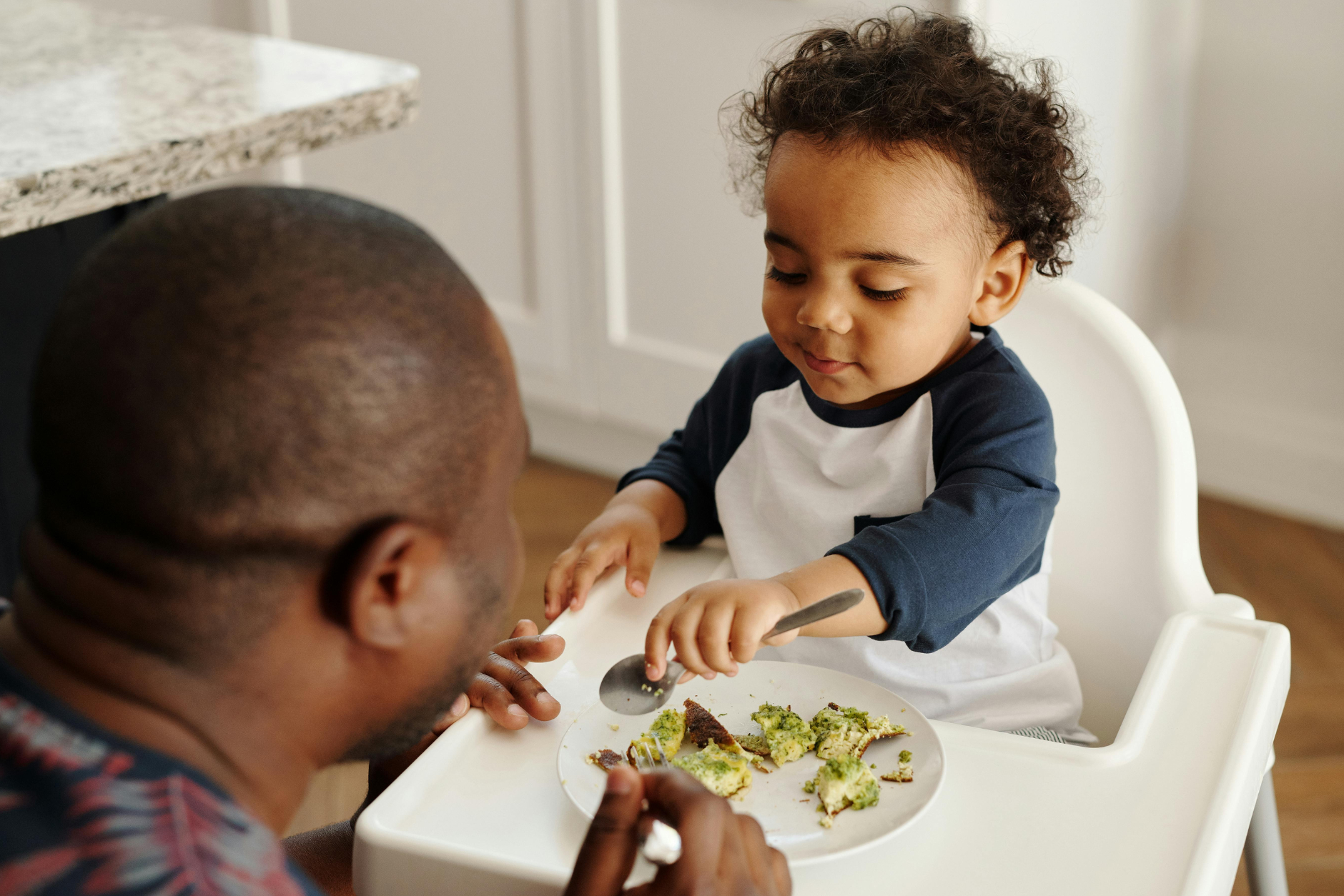
Snacks have a way of following us everywhere.
They end up in the stroller, the car, the diaper bag, the playroom and sometimes directly in a toddler’s hand as they run toward their next adventure.
That is real family life, and none of us will manage every meal or snack perfectly.
But creating a gentle rhythm around when and where food is offered can make it easier to build two important things at the same time:
A responsive relationship with food
A safer, more focused eating environment
Regular meal and snack times do not prevent choking on their own. What they can do is help us repeat the habits that support safer eating, including sitting upright, preparing food appropriately, limiting distractions and staying close while our child eats.
Let’s walk through what that can look like without turning food into another rigid parenting rule.
Predictable Does Not Mean Rigid
A predictable eating routine does not require watching the clock or making a hungry child wait until an exact time.
It simply means that meals and snacks happen at generally familiar points throughout the day.
For example:
Breakfast after getting dressed
A snack after morning play
Lunch before nap
A snack after waking
Dinner with the family
Some days those times will shift. A child may wake earlier, sleep longer, feel hungrier during a growth spurt or eat less when they are unwell.
That is okay.
The goal is not control. The goal is to create a flexible rhythm that children can begin to recognize and caregivers can realistically maintain.
Structure and Responsive Feeding Can Work Together
Sometimes families hear “regular snack times” and worry that a schedule means ignoring hunger cues.
It should not.
Health Canada recommends responsive feeding based on a child’s hunger and fullness cues.
In practice, that means caregivers are responsible for deciding:
What food is offered
When food is offered
Where eating happens
The child decides:
Whether they want to eat
Which offered foods they want to explore
How much they want to eat
We can provide structure without pressuring a child to take another bite, clean their plate or eat a certain amount.
Predictable opportunities help children learn that food will be offered regularly. Responsive feeding gives them space to listen to their own appetite within that routine.
What About Babies Who Are Just Starting Solids?
For babies beginning complementary foods, an eating routine develops gradually.
Breastmilk or formula remains an important source of nutrition, and milk feeds should continue according to the baby’s cues.
Solid-food opportunities can slowly become more predictable as the baby gains experience.
Around 6 to 8 Months
Families can begin working toward two or three complementary-food opportunities each day, with one or two smaller snack opportunities depending on the baby’s appetite and stage of development.
At this age, the focus is still on learning.
Babies are exploring:
New tastes and textures
How to move food around their mouth
Around 9 to 11 Months
Older babies may be offered up to three complementary-food meals and one or two snacks each day, depending on their appetite.
Food opportunities may begin to line up more closely with the family’s routine, while milk feeds continue according to the baby’s needs.
Around 12 Months and Beyond
By around 12 months, families can begin establishing a more regular pattern of meals and snacks.
For many toddlers, a practical starting point is:
Eating opportunities spaced approximately two to three hours apart
These are general patterns, not strict rules.
A child’s appetite can change from day to day based on growth, activity, sleep, illness and many other factors.
How Regular Eating Opportunities Support Hunger and Fullness Awareness
Babies and toddlers are still learning what their internal body signals mean.
Early hunger cues may look like:
Reaching for food
Opening their mouth when food is offered
Pointing toward the kitchen or high chair
Becoming interested or excited when food appears
Asking for a familiar snack
Becoming restless or irritable
Fullness cues may include:
Slowing down
Closing their mouth
Turning their head away
Pushing food away
Losing interest in eating
Beginning to play with or drop food
Signing or saying “all done”
Not every child shows the same cues, and the same behaviour will not always mean the same thing.
Regular meals and snacks provide opportunities to experience gentle hunger before eating and comfortable fullness afterward.
When food is available continuously throughout the day, it can be harder for some children to notice those changes in appetite. Regular breaks between eating opportunities can help create a clearer beginning and ending to meals and snacks.
How Predictable Routines Can Support Safer Eating
Timing alone does not make food safer.
The benefit is that a familiar routine can make it easier to repeat the safety steps that matter.
A snack routine might naturally include:
Pausing play
Washing hands
Sitting in a high chair, booster seat or stable chair
Buckling the harness when one is provided
Preparing food for the child’s age and eating skills
Having a caregiver stay nearby
Finishing the snack before returning to play
Over time, children begin to recognize that eating is something we pause and sit down to do.
That is very different from trying to chew while walking, running, climbing, playing or moving between activities.
Safer Eating Is About More Than Being at a Table
“We eat at the table” can be a useful family phrase, but the furniture itself is not the most important part.
Safer eating can happen in many places, including:
A properly adjusted high chair
A booster seat at the family table
A child-sized table and chair
A picnic table at the park
A stable eating space at daycare
A seated rest stop during a road trip
What matters is that the child is:
Seated upright
Stable and supported
Focused on eating
Offered food prepared for their age and abilities
Health Canada advises that babies and young children be seated upright and actively supervised while eating, not walking, running, lying down or distracted.
Why Eating in a Moving Vehicle Is Different
Car snacks can feel convenient, especially during a long drive or a busy day.
However, Health Canada considers eating in a moving vehicle unsafe.
If a child begins choking, it may be difficult for the driver to notice immediately, pull over safely, remove the child from their restraint and respond.
Instead, plan a seated snack before leaving or stop somewhere safe when food is needed.
This does not mean every outing has to be perfectly timed. It simply means building food breaks into the plan whenever possible.
What If My Child Asks for Food Before the Planned Snack?
A flexible routine leaves room for real hunger.
We do not need to make a hungry child wait just to protect the schedule.
Consider:
Was the previous meal smaller than usual?
Has your child been especially active?
Are they going through a growth spurt?
Has their sleep schedule changed?
Are they asking for food, water, comfort or a change of activity?
Is the usual gap between meals and snacks too long for them right now?
When your child appears hungry, you might offer the snack earlier or adjust the next eating opportunity.
A routine should support the child, not become something the child has to work around.
What Predictable Snack Times Can Look Like in Real Life
Predictability often works best when it is connected to events rather than exact times.
For example:
At Home
“After we put the toys away, we’ll sit down for our snack.”
After Daycare or School
“We’ll have a snack together when we get home.”
At the Park
“We’ll play for a little longer, and then we’ll sit at the picnic table for our snack.”
During Errands
“We’re going to finish this stop, and then we’ll find a safe place to sit and eat.”
During a Road Trip
“We’ll stop for a snack and a stretch before we keep driving.”
These simple anchors help children understand what is coming next without making the day feel overly scheduled.
A Simple Way to Start
You do not need to redesign your whole day.
Choose one eating opportunity that regularly feels rushed, scattered or difficult.
It might be:
The snack after daycare
The snack before an activity
The midmorning snack
Food offered during errands
The snack that usually happens while your toddler is playing
Then create one repeatable routine around it.
For example:
Give a simple reminder that snack is coming.
Pause the current activity.
Move to a stable eating space.
Seat your child upright.
Offer one or two appropriate foods.
Stay nearby while they eat.
Let your child decide how much to eat.
Finish the snack before returning to play.
Once that routine feels familiar, you can build from there.
✅ Safer Meal and Snack Checklist
Before offering food, check that your child is:
✔ Seated upright in a stable, supported position
✔ Actively supervised by an adult
✔ Not walking, running, climbing or lying down
✔ Not eating in a moving vehicle
✔ Offered food with an age-appropriate size, shape and texture
✔ Eating without toys or screens competing for their attention
✔ Able to decide whether and how much they want to eat
✔ Eating near a caregiver who knows how to respond to choking
When Your Family Needs a Different Approach
Every child and every family is different.
Feeding routines may need to be adapted for:
Breastfeeding or formula-feeding patterns
Daycare or school schedules
Shift work
Travel
Illness
Growth spurts
Sensory differences
Developmental differences
Medical or feeding concerns
There is no single perfect schedule.
f you are concerned about your child’s swallowing, growth, ability to manage textures or overall feeding development, speak with their healthcare provider. They can help determine whether support from a registered dietitian, speech-language pathologist or another feeding specialist would be appropriate.
Final Thoughts
Predictable meals and snacks are not about controlling when a child is allowed to feel hungry.
They are about creating regular opportunities for food, allowing children to respond to their own appetite and building an environment where safer eating habits are easier to repeat.
Some days the routine will work beautifully.
Other days the snack will be late, the toddler will refuse everything and the carefully packed banana will return home untouched.
That does not mean the routine is failing.
We are simply building a rhythm over time.
Each time we pause, help our child sit safely, stay nearby and allow them to listen to their own body, we are supporting both confidence and safety around food. You’ve got this!
Continue Learning
Continue building your family’s safety toolkit with these trusted resources from Bump + Baby Matters.
Infant & Child CPR + Choking Classes
Introducing Allergens to Babies: When and How to Start
How to Safely Serve Grapes, Oranges, and Strawberries by Age and Stage
How to Choose a High Chair: Positioning Tips That Matter
Have a question? We’re always happy to help. Send us a message on Instagram.