
Wildfire Smoke Safety for Babies and Children: A Practical Guide for Canadian Families
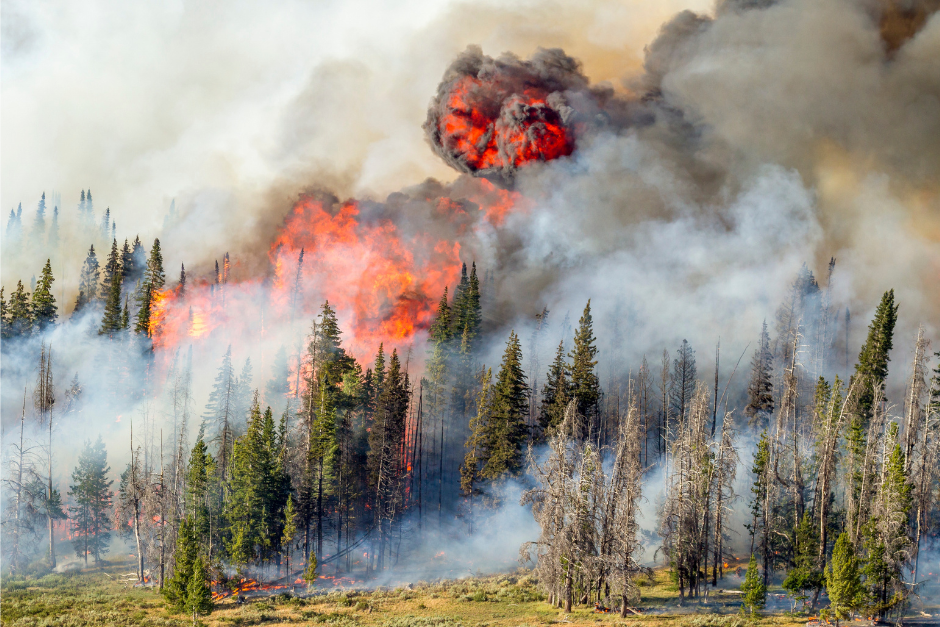
When wildfire smoke settles over your community, everyday parenting decisions can suddenly feel more complicated.
Can we go for a stroller walk? Should soccer practice be cancelled? Is it safe to open the windows? Do we need an air purifier? Can children wear an N95?
You do not need to become an air-quality expert overnight. A few practical steps can significantly reduce your family’s exposure while still keeping everyone cool, comfortable and cared for.
Let’s walk through what Canadian families need to know about wildfire smoke, the Air Quality Health Index and creating cleaner air at home.
Families in Ontario can check the province’s official forest fire updates for current information about active wildland fires, fire restrictions and regional conditions.
Why Wildfire Smoke Can Affect Your Family’s Health
Wildfire smoke is a mixture of gases, water vapour and tiny particles. The main health concern is fine particulate matter, known as PM2.5.
These particles are so small that we cannot see them individually. They can travel deep into the lungs and enter the bloodstream, which is why wildfire smoke can affect both respiratory and cardiovascular health.
Smoke can also travel hundreds or even thousands of kilometres from an active fire. Your community may experience poor air quality even when there is no wildfire nearby, and air quality can be unhealthy even when you cannot clearly see or smell smoke.
Wildfires and smoke can affect communities across Canada. Families can use the Canadian Wildland Fire Information System to view current fire conditions across the country and visit the Government of Canada’s provincial and territorial wildfire information directory for official updates specific to their region. Continue to follow local emergency alerts and instructions because wildfire conditions can change quickly.
Who Is More Likely to Be Affected?
Wildfire smoke can affect anyone, particularly when smoke is heavy or the Air Quality Health Index is very high.
Some people are more likely to experience symptoms or health complications, including:
infants and young children
pregnant people
older adults
people with asthma or other lung conditions
people with heart conditions
people with diabetes or other chronic illnesses
people who smoke
people who work, exercise or spend long periods outdoors
Children breathe more air relative to their body size than adults and are often physically active outdoors. Babies and young children also cannot reliably tell us when their eyes, throat or chest feel irritated, so caregivers may need to watch for changes in their behaviour, breathing and energy level.
Start With the Air Quality Health Index
The Air Quality Health Index, or AQHI, is the best starting point for deciding how to adjust your day.
The AQHI is reported on a scale from 1 to 10+. Higher numbers indicate a greater health risk.
You can check it through:
the WeatherCAN app
Environment and Climate Change Canada
your provincial or territorial air-quality website
local weather and air-quality alerts
During wildfire smoke events, the AQHI may change quickly, so check the current reading as well as the forecast before outdoor activities, sports, daycare drop-off or a longer drive.
When the AQHI reaches 10+, it has reached the highest category on the scale. Pollution and health risks can continue increasing even though the displayed number remains 10+.
A Practical Family Guide to the AQHI
AQHI 1 to 3: Low Risk
Usual outdoor activities are generally appropriate.
Continue to watch for individual symptoms if someone in your family is especially sensitive to air pollution.
AQHI 4 to 6: Moderate Risk
Most people can continue their usual activities.
Children and adults with asthma, heart or lung conditions should consider reducing strenuous outdoor activity if they develop coughing, throat irritation or other symptoms.
AQHI 7 to 10: High Risk
Reduce or reschedule strenuous outdoor activity.
For families, this may mean:
replacing running, biking or sports with quieter outdoor play
shortening stroller walks
moving recess, practices or birthday activities indoors
taking more breaks in a cleaner indoor environment
watching children closely for symptoms
AQHI Above 10: Very High Risk
Reduce or reschedule strenuous outdoor activities. Children, older adults and others who are more likely to be affected by air pollution should avoid strenuous activities outdoors.
A practical approach is to keep outdoor time to what is necessary, move active play indoors and make cleaner indoor air your priority until conditions improve.
Understanding Ontario’s Air-Quality Warnings
Ontario now uses colour-coded air-quality warnings:
A yellow air-quality warning may be issued when the AQHI is forecast to reach 7 or higher.
An orange air-quality warning may be issued when the AQHI reaches or is forecast to reach 10+.
During an air-quality warning, everyone should consider limiting time outdoors and reducing, rescheduling or cancelling outdoor sports and events.
What to Do When Wildfire Smoke Arrives
When you see an air-quality alert, you do not need to completely reorganize your home within minutes.
Start with these five steps:
Check the current and forecast AQHI.
Close windows and exterior doors.
Turn on your home’s filtration or portable air cleaner.
Move strenuous play and exercise indoors.
Make sure inhalers and other essential medications are available.
These steps reduce exposure without adding unnecessary stress to an already busy day.
How to Create Cleaner Air at Home
Staying inside only helps when the indoor air is cleaner than the outdoor air. Smoke can still enter through windows, doors, ventilation systems and small gaps around the home.
The goal is not to create a perfectly sealed environment. It is to reduce how much smoke enters and filter the air where your family spends the most time.
Close Windows and Doors
Keep windows and exterior doors closed as much as possible while outdoor air quality is poor.
Ask children to use one main entrance rather than repeatedly opening different doors, and gather outdoor items before smoke becomes heavy so you are not making extra trips outside.
Once the smoke clears and the AQHI improves, opening windows can help replace stale indoor air with cleaner outdoor air. Check current conditions before ventilating.
Use Your Home’s HVAC System
Use the highest-quality filter that your heating, ventilation and air-conditioning system can safely handle. Follow the manufacturer’s directions because not every system can accommodate a high-efficiency filter.
During smoky conditions, Ontario recommends:
running the system’s fan
selecting recirculation mode when available
reducing the amount of outdoor air being brought into the home
replacing dirty or clogged filters
When outdoor air improves, return the system to its usual setting so fresh air can circulate again.
Create One Cleaner-Air Room
You do not necessarily need an air purifier in every room.
Choose the room where your family spends the most time, such as:
the living room during the day
a bedroom or nursery overnight
a playroom
a finished basement that remains cool
Close the door and windows, run your portable air cleaner and reduce activities that create additional indoor pollution.
For a family with a baby, it often makes sense to prioritize the room where the baby sleeps because infants spend so much of the day and night there.
Choosing a Portable Air Cleaner
Portable air cleaners can reduce the fine particles found in wildfire smoke, but the device must be appropriately sized for the room.
Look for:
a high-efficiency filter, often labelled HEPA
certification from the Association of Home Appliance Manufacturers, or AHAM
a room-size rating that matches your space
a strong tobacco-smoke Clean Air Delivery Rate, or CADR
replacement filters that are easy to purchase
a noise level your family can comfortably tolerate
no ozone-generating feature
Health Canada recommends choosing the highest tobacco-smoke CADR that fits your budget because this rating reflects how effectively the device removes fine particles.
A Quick Sizing Formula
As a general guideline, the tobacco-smoke CADR should be at least two-thirds of the room’s square footage.
For example:
A 120-square-foot room should have a smoke CADR of at least 80.
A 150-square-foot room should have a smoke CADR of at least 100.
A 300-square-foot room should have a smoke CADR of at least 200.
Higher ceilings may require a unit rated for a larger room.
Getting the Most From Your Air Cleaner
To improve its effectiveness:
keep windows and doors closed
run it for as long as smoky conditions continue
use the highest fan speed your family can comfortably tolerate
leave space around the unit so air can circulate
do not place it directly against a wall or behind furniture
follow the manufacturer’s replacement schedule
change the filter sooner if it becomes visibly dirty or clogged
keep cords and the appliance itself out of a young child’s reach
avoid directing strong airflow straight toward a baby’s crib or sleep space
Longer run times and higher fan speeds filter more air.
What About a DIY Box-Fan Air Cleaner?
A DIY air cleaner can be a lower-cost short-term option when a portable air cleaner or filtered HVAC system is not available.
However, box-fan air cleaners need careful supervision.
Health Canada advises families to:
use a clean, certified box fan manufactured in 2012 or later
choose a fan with a safety fuse
keep it away from walls, curtains and furniture
never use an extension cord
change clogged filters promptly
never leave it running unattended
never leave it running while everyone is sleeping
never leave children unattended near it
stop using any fan that is damaged, overheating or malfunctioning
Because of these limitations, a DIY fan should not be relied on as an unsupervised overnight air cleaner in a nursery or child’s bedroom.
Reduce Other Sources of Indoor Air Pollution
When your home is closed up, indoor pollutants can accumulate.
During a smoke event, try to limit:
smoking or vaping indoors
candles and incense
wood-burning fireplaces
unnecessary frying or high-heat cooking
aerosol sprays
vacuuming without a HEPA-filtered vacuum
Use kitchen exhaust while actively cooking, but limit exhaust fans when they are not needed because they can pull additional outdoor air into the home.
Wet dusting and mopping can help remove particles without stirring them back into the air.
Wildfire Smoke and Hot Weather
Wildfire smoke and extreme heat often occur at the same time, which can create a frustrating choice between opening the windows and keeping smoke outside.
Do not allow your home to become dangerously hot in an attempt to keep every window closed.
Use air conditioning when available. Close blinds or curtains during the hottest part of the day, encourage regular fluids and move to a cooler location if your home cannot remain both cool and reasonably smoke-free.
Possible cleaner-air locations include:
libraries
community centres
shopping centres
recreation facilities
designated cleaner-air or cooling spaces
In Toronto, participating Cleaner Air Spaces include several civic centres, Metro Hall and Toronto City Hall. Other municipalities may open similar locations during prolonged smoke or heat events. Check with your local public-health unit or municipality before leaving home.
Can Babies and Children Wear Masks for Wildfire Smoke?
The most effective first steps for children are reducing outdoor time and creating cleaner indoor air.
When an older child must be outdoors, a properly fitted N95, KN95 or KF94 respirator may reduce exposure to fine smoke particles. It will not filter all gases found in wildfire smoke, and it does not make prolonged or strenuous outdoor activity risk-free.
For a respirator to help, it must:
cover the nose, mouth and chin
sit closely against the face
have minimal gaps around the edges
stay in place while the child talks and moves
be worn consistently
Cloth masks, loose surgical masks, scarves, bandanas and face shields do not provide the same level of protection from wildfire particles.
Respirators should not be used by:
children under two
anyone who has difficulty breathing while wearing one
anyone who cannot remove it independently or with immediate assistance
anyone who is sleeping
Children should never be forced to continue wearing a respirator if they are distressed, overheating or having difficulty breathing. Move them to cleaner air and remove the respirator there when possible.
Stroller Walks, Parks and Outdoor Play
There is no single number of minutes that is safe for every child. The AQHI, the intensity of the activity, the length of exposure and your child’s health all matter.
Before heading outside:
look at the forecast for the next few hours
choose less strenuous activities
keep outings shorter
stay close to home or another indoor space
bring any prescribed rescue medication
stop if your child develops symptoms
A short walk during moderate conditions is different from running, biking or playing soccer during a high-risk warning.
When the AQHI is 7 or higher, moving active play indoors is a sensible family choice. At 10+, outdoor time should generally be limited to essential trips until conditions improve.
Sports, Camps, Schools and Child Care
Schools, child-care centres, camps and sports organizations should monitor the AQHI and adjust outdoor activities when air quality is poor.
When a warning is in effect, it is reasonable to ask:
Will outdoor play or practice be shortened?
Will strenuous activities be moved indoors?
Is the building using filtered or recirculated air?
Are windows being kept closed?
Is a portable air cleaner available?
How will caregivers monitor children with asthma?
What happens if a child develops symptoms?
Children experiencing symptoms should stop physical activity and move to cleaner indoor air. Severe or worsening symptoms require medical attention.
Keeping the Air Cleaner in Your Vehicle
Vehicles are not completely smoke-proof, but a few adjustments can reduce exposure during necessary trips.
Keep the windows closed.
Use air conditioning when needed.
Set the ventilation system to recirculation mode.
Replace the cabin air filter according to the vehicle manufacturer’s instructions.
Keep trips as short as practical during severe smoke.
Avoid leaving doors open while loading the vehicle.
Never compromise heat safety to avoid smoke exposure.
Recirculation may need to be turned off periodically on longer trips to refresh the air inside the vehicle. Keeping children cool remains the priority during hot weather.
Symptoms of Wildfire Smoke Exposure
Mild and more common symptoms can include:
watery or irritated eyes
a runny nose
an irritated throat or sinuses
headache
mild cough
increased mucus or phlegm
unusual tiredness
Young children may not describe these symptoms clearly. You may instead notice:
rubbing their eyes
increased fussiness
less interest in play
coughing
wanting to be carried
tiring more quickly
difficulty keeping up with their usual activity
Move your child to cleaner air, stop physical activity and monitor how they are doing.
More serious symptoms can include:
wheezing
an asthma attack
shortness of breath
chest pain
a severe or worsening cough
dizziness
heart palpitations
Contact a health-care provider for concerning symptoms. Call 911 for severe breathing difficulty, chest pain, loss of responsiveness or any situation that appears to be a medical emergency.
Supporting a Child With Asthma or Another Health Condition
Before wildfire season or prolonged smoke events:
review your child’s asthma or medical action plan
make sure prescribed medications are not expired
keep rescue medication easy to access
provide medications and written instructions to child care, school or camp
ask your health-care provider what symptoms should prompt additional medication or medical assessment
make a plan for where your family can go if your home cannot maintain cleaner air
Do not wait until your child is already struggling to locate an inhaler, refill a prescription or review how their medication should be used.
A Busy Family’s Wildfire Smoke Checklist
When air quality changes quickly, focus on the basics:
Before the Smoke Arrives
Download WeatherCAN or bookmark your local AQHI.
Replace HVAC and portable-air-cleaner filters.
Keep one or two spare filters available.
Check your vehicle’s cabin air filter.
Refill essential medications.
Identify a library, community centre or cleaner-air space nearby.
Keep properly fitting respirators available for household members who can safely wear them.
When the AQHI Rises
Close windows and doors.
Run your HVAC fan on recirculate when appropriate.
Turn on your portable air cleaner.
Move strenuous activity indoors.
Shorten necessary outdoor trips.
Keep inhalers and medications nearby.
Check children for coughing, wheezing, tiredness or irritation.
Continue prioritizing heat safety and hydration.
When Conditions Improve
Confirm the AQHI has dropped.
Open windows to refresh the indoor air when outdoor air is cleaner.
Return ventilation systems to their usual settings.
Replace heavily used or dirty filters.
Resume outdoor activity gradually if anyone has experienced symptoms.
You Do Not Have to Do Everything Perfectly
Wildfire smoke can feel unsettling, especially when the sky looks different, the air smells smoky or public alerts are changing throughout the day.
Prepared parenting does not mean controlling every particle in the air. It means knowing where to find reliable information and taking the most useful steps available to your family.
Check the AQHI. Reduce exposure. Create one cleaner-air space. Keep everyone cool. Watch for symptoms.
Those practical choices matter, friends. You’ve got this!
Continue Learning
Continue building your family’s safety toolkit with these trusted resources from Bump + Baby Matters.
Infant & Child CPR + Choking Classes
Wildfire Preparedness for Families: A Canadian Guide to Evacuation, Smoke and Home Safety
Heat Stroke at Every Age: How to Prevent, Spot + Respond When It’s Too Hot
Keeping Kids Cool In The Car This Summer: Simple Tips & Safe Cooling Tools for Families
Have a question? We're always happy to help. Send us a message on Instagram.