
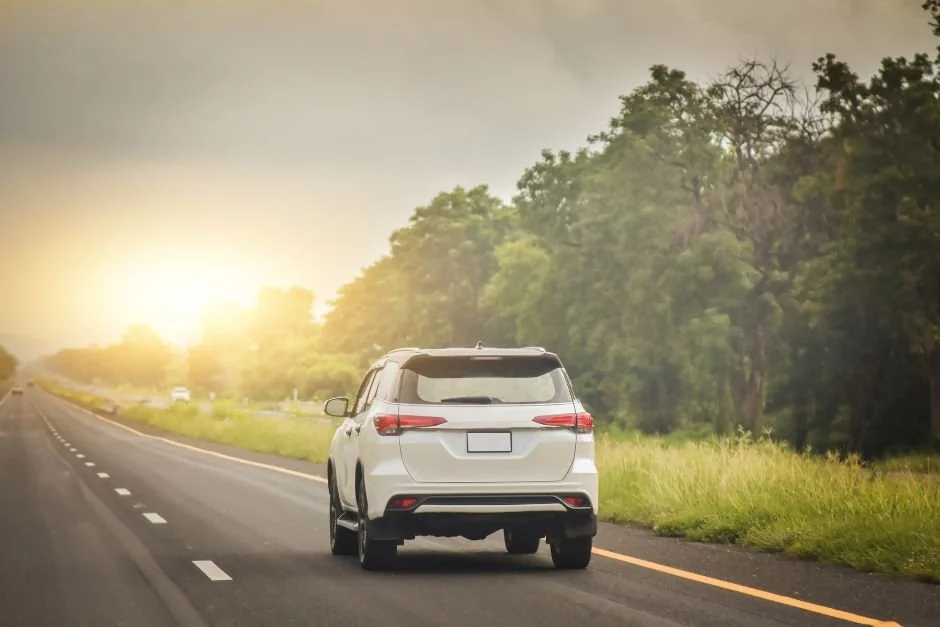
Hot summer car rides can feel especially uncomfortable for babies and young children. The back seat may receive less direct airflow, and car seats, buckles and vehicle surfaces can become surprisingly hot while the vehicle is parked.
The good news is that keeping our children more comfortable does not have to involve a long list of special products.
Most of the time, it starts with a few simple habits before we buckle them in. Cooling tools can then offer additional support when they are used safely.
First, an important hot-car reminder
Never leave a child alone in a parked vehicle, even for a minute, with the windows cracked or with the air conditioning running.
Vehicle interiors can heat up quickly, even when the outdoor temperature feels relatively mild. Leaving the windows slightly open may not provide enough circulation to meaningfully reduce the temperature inside. Start by cooling the vehicle before your child gets in
The most effective time to manage the heat is before everyone is buckled into the car.
Look for shade
Whenever possible:
park under a tree, covered structure or in a garage
use a foldable windshield sunshade
use properly secured rear-window shades that do not interfere with the driver’s visibility
Even partial shade can help reduce the amount of direct sunlight reaching the car seat and vehicle interior.
Let trapped heat escape
Before loading your child:
open the doors or windows
turn on the air conditioning
allow the hottest air to escape
check that the back seat is beginning to cool
Always run the vehicle outdoors, never in a closed or poorly ventilated garage.
Natural Resources Canada recommends opening the windows for the first few minutes to release hot air before relying on the air conditioning to cool the vehicle. Check the car seat before buckling
Car-seat buckles, plastic components and seat surfaces can become hot enough to be uncomfortable or burn sensitive skin.
Before placing your child in the seat, touch:
the buckle and chest clip
exposed plastic or metal pieces
the harness straps
the seating surface
When the vehicle is parked, a light-coloured towel can be placed over an empty car seat to help shield it from direct sunlight. Remove it completely before placing your child in the seat. Nothing should remain under, behind or between your child and the harness unless it came with the seat or is specifically approved by the car-seat manufacturer.
Keep the air moving during the drive
Once your child is buckled correctly, use the vehicle’s air conditioning and vents to help cool the entire passenger area.
Because the front and back of a vehicle may feel different, periodically check your child rather than relying only on how the driver’s seat feels.
For longer drives, consider:
dressing your child in lightweight, breathable clothing
removing unnecessary layers once the vehicle has cooled
bringing the age-appropriate drinks your child normally has
scheduling breaks in an air-conditioned location
When your schedule allows, travelling earlier in the morning or later in the day may also help you avoid the hottest part of the afternoon.
Cooling tools can provide extra support
Cooling products can be helpful, particularly in vehicles without rear air vents. They should support the basics, not replace air conditioning, shade or regular checks on your child.
Airflow extenders
An airflow extender, such as the NOGGLE, can help direct conditioned air from a front vent toward passengers in the back seat.
This may be especially helpful in vehicles where rear-facing children receive limited direct airflow.
Install the product exactly as directed and make sure it:
does not attach to or interfere with the car seat or harness
does not block the driver’s view or access to vehicle controls
is positioned away from airbags
is secured and kept out of your child’s reach
Back-seat temperature monitors
A securely positioned back-seat thermometer or temperature-and-humidity monitor (hygrometer) can help you understand how conditions in the back compare with the front seat.
Think of it as an additional comfort cue rather than a guarantee that your child is safe or comfortable. How your child looks and behaves still matters most.
Any monitor should be properly secured so it cannot become a loose object in the vehicle.
Car-seat cooling packs
Some cooling products are marketed for use with car seats. The safest approach is to use them only to cool the empty seat before the ride, then remove them completely before buckling your child in.
Do not place an aftermarket cooling pad, liner or ice pack:
under your child
behind your child
between your child and the harness
against your child’s skin
The exception would be a product supplied or explicitly approved for use by your specific car-seat manufacturer.
Transport Canada advises that third-party aftermarket products may introduce safety risks or affect the performance of a child restraint. Always check both the car-seat manual and the manufacturer’s guidance before adding anything to the seat. Portable fans
A portable fan may help move cool air once the cabin temperature is under control, but a fan does not lower the temperature of the air itself.
Never clip a fan directly to the car seat or leave it loose in the vehicle. Follow the fan manufacturer’s installation instructions and make sure it is securely positioned away from:
the car seat and harness
your child’s face, fingers and hair
vehicle airbags
the driver’s line of sight
What not to rely on
A few common cooling ideas can create a false sense of security or introduce other risks.
Avoid relying on:
cracked windows to keep a parked vehicle cool
a portable fan without air conditioning in a very hot vehicle
blankets draped over an occupied car seat
unapproved cooling mats, pads or inserts inside the restraint
frozen packs placed directly against a child’s skin
loose fans, monitors, bottles or cooling products in the passenger area
No cooling product makes it safe to leave a child alone in a vehicle.
Build a simple plan for extra-hot days
On especially hot days, a little planning can make outings feel much easier.
Before leaving home, consider packing:
age-appropriate drinks
a clean cloth that can be dampened with cool water
extra lightweight clothing
a charged phone
snacks that can be safely transported in the heat
It can also help to identify air-conditioned places along your route, such as:
libraries
recreation centres
grocery stores
malls
restaurants or cafés
There is nothing wrong with pausing the day, changing plans or heading somewhere cool when your child needs a break.
Know the signs that your child may be getting too hot
Children cannot always tell us when they are overheating, so pay attention to changes in their appearance and behaviour.
Possible signs of heat illness can include:
unusual sleepiness, fussiness or changes in behaviour
heavy sweating
nausea or vomiting
dizziness or fainting
rapid breathing or heartbeat
extreme thirst
decreased urination
If you are concerned, stop somewhere safe and move your child into a cool or air-conditioned space. Remove unnecessary clothing and begin cooling them.
Heat stroke is a medical emergency. Call 911 immediately if your child has a high body temperature and is confused, unconscious, having a seizure, struggling to breathe or has very hot or red skin. While waiting for help, move them to a cool place and begin cooling their skin with water and airflow. A safer, more comfortable summer starts with preparation
You are already remembering the snacks, hats, water bottles and everything else your family needs to get out the door.
This is not about adding another complicated task to your day.
It is about building a few small habits into what you are already doing: cooling the vehicle first, checking the seat, keeping air moving and choosing support tools thoughtfully.
When we feel prepared, everyday summer outings can feel a little easier, leaving more space to enjoy the season together.
Looking for summer car essentials?
We have gathered some of our favourite car-comfort, safety and emergency products for families in one convenient place.
Explore Our Top Hot-Weather Car Essentials for Babies and Toddlers
This article contains affiliate links. As an Amazon Associate, Bump + Baby Matters earns from qualifying purchases at no additional cost to you.
Continue Learning
Continue building your family’s safety toolkit with these trusted resources from Bump + Baby Matters.
Infant & Child CPR + Choking Classes
Heat Stroke at Every Age: How to Prevent, Spot + Respond When It’s Too Hot
10 Car Seat Mistakes That Are Easy to Miss (and How to Fix Them)
Road Trip Ready: Packing the Car Safely and Efficiently for Families
Have a question? We're always happy to help. Send us a message on Instagram.