
A guest article by Alyssa Rolnick, MHSc, mom and co-founder of Zax's Original. Bump + Baby Matters received complimentary products from Zax's Original. This article is for general education and isn't a substitute for advice from your child's health-care provider.
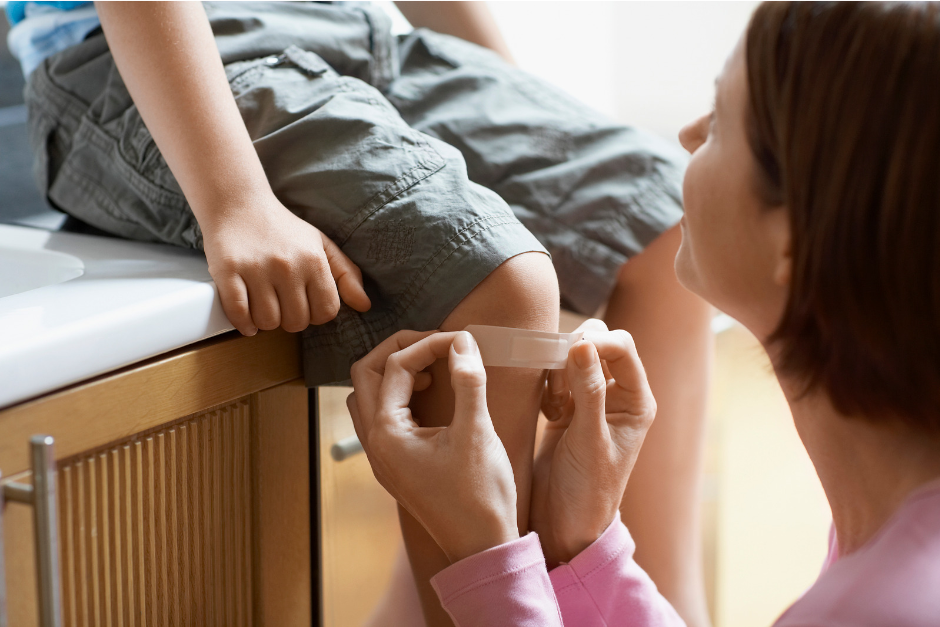
Children are constantly exploring, playing, learning and, every so often, getting hurt. From scraped knees and surprise bruises to bug bites, minor burns and eczema flare-ups, children's skin goes through a lot.
Knowing what to do in the moment, and when to get help, makes these everyday skin surprises a lot less stressful. And because these products go on your child's skin, it helps to know what's in them, too.
In this guide, you'll learn simple first aid for bruises, minor burns and bug bites, everyday care for eczema-prone skin, and the signs that mean it's time to call a health-care provider.
Bumps and Bruises: Helping Children Feel Better
Bruises are a normal part of an active childhood. They happen when small blood vessels under the skin break, usually from a bump or fall. Most bruises change colour as they heal (purple, then blue, green and yellow) and fade on their own within about 2 to 4 weeks.
How to care for a bruise at home
Cool it. Apply a cold pack wrapped in a thin cloth, a bag of frozen peas or a cold wet cloth for about 10 minutes at a time during the first day or two. Never put ice directly on your child's skin.
Rest and raise it. If the bruise is on an arm or leg, resting it and propping it up can help limit swelling.
Ease the pain if needed. Acetaminophen (Tylenol, Tempra) or ibuprofen (Advil, Motrin) can help. Give the dose on the package based on your child's weight, and never give more than recommended. Don't give ibuprofen to babies under 6 months without talking to your health-care provider first.
After-care, if you'd like. Some families like to use an arnica cream on bruises, such as Zax's Original Bruise Cream, which is made with arnica, witch hazel and menthol. Only use arnica on unbroken skin (never on a scrape or cut). Because of its arnica content, Zax's Bruise Cream is labelled for ages 12 and up. For children 2 to 11, only use it if your doctor recommends it, and don't use it on children under 2.
Is it just a bruise, or something more?
If the bruise came from a bump to the head, watch your child closely for signs of a head injury. Our guide to head injuries in children explains when to call 911, when to seek urgent care and when it's safe to monitor at home.
See a health-care provider if:
there's a lot of swelling and pain soon after the injury, your child won't use the arm or leg, or you think a bone might be broken
the bruise shows signs of infection, such as warmth, increasing redness or pus
a bruise near the eye affects your child's vision
the bruise isn't getting better after 2 weeks
your child develops a fever along with the bruising
Also get your child checked if you notice:
a bruise on a baby who isn't yet crawling or pulling to stand
bruises that appear easily or often, or with no clear cause
bruises in unusual places, such as the ears, neck, tummy, back or genital area
tiny red or purple dots on the skin, or bruising along with frequent nosebleeds or bleeding gums
These can sometimes point to a bleeding problem or an injury that needs a closer look, so it's always worth having them checked.
Minor Burns: Quick Action Makes a Difference
Burns happen in the blink of an eye, from a spilled cup of tea, a hot pan, a curling iron or bath water that's too hot. Babies and toddlers have thinner skin than adults, so burns can happen faster and go deeper. Fast, simple first aid really does make a difference.
What to do right away
Stop the burning. Move your child away from the heat source. If hot liquid spilled on them, take off wet clothing right away, including diapers and socks, because clothing holds the heat. If anything is stuck to the skin, leave it and cool over it. Remove rings, bracelets or anything tight near the burn before it swells.
Cool the burn. Hold the burned area under cool or room-temperature running water for about 20 minutes. If you don't have running water, keep applying fresh cool, wet cloths. Only cool the burned area, and keep the rest of your child warm.
Cover it. Lightly cover the burn with a clean, dry cloth or gauze.
Skip the home remedies. Never put ice, butter, oil or toothpaste on a burn. These can trap heat or damage the skin further.
Leave blisters alone. Don't pop them. Broken blisters are more likely to get infected.
When to call 911 or get medical care
Call 911 if the burn:
is large
is on the face, hands, feet, groin or genitals
was caused by electricity or chemicals
happened along with smoke or fire, and your child is coughing or having trouble breathing
or if you're not sure what to do
Always start cooling the burn first, then call.
See a health-care provider if:
the burn is bigger than a loonie
blisters form
you see signs of infection, such as spreading redness, swelling, pus or a fever
SickKids recommends having even a small burn or scald checked by a health-care provider within 3 days, so they can help with pain and prevent infection.
Keep in mind that pain isn't a reliable guide to how serious a burn is. Deeper burns can actually hurt less, because they damage the nerves in the skin.
Caring for a small burn as it heals
Creams aren't part of first aid, so always cool the burn first. Once the skin has cooled, and only for a small burn with unbroken skin and no blisters, an after-care product can help keep the area comfortable as it heals. Zax's Original Burn Cream is made with aloe vera and also contains lavender oil, tea tree oil and calendula. Zax's recommends it for children over 2. Stop using it if the skin becomes more red or irritated.
Bug Bites and Stings: Taking the Itch Out of Outdoor Adventures
Few things are as frustrating as itchy bug bites. Most bites from mosquitoes, blackflies and ants cause a small, red, itchy bump that settles within a few hours to a few days. Some children get a bigger, warm, swollen area around a mosquito bite within the first day. This is called a large local reaction, and it isn't an infection.
Know the signs of a serious allergic reaction
Some children have a severe allergic reaction (anaphylaxis), most often to bee, wasp or hornet stings. Call 911 and use your child's epinephrine auto-injector, if they have one, if your child develops:
hives or swelling beyond the sting site
swelling of the face, lips, tongue or throat
trouble breathing, coughing or wheezing
vomiting, dizziness, fainting or collapse
How to care for a bite or sting
Remove the stinger, if there is one. Honeybees often leave their stinger behind. Get it out as quickly as you can. Gently scraping it off sideways with a fingernail is an easy way to do it.
Wash the area gently with mild soap and water.
Cool it. A cold, damp cloth or a wrapped ice pack helps ease swelling and pain.
Soothe the itch. An anti-itch cream can help. Zax's Original Itch Relief Cream is made with colloidal oatmeal, witch hazel, tea tree oil and menthol, and Zax's recommends it for children over 2. For babies and toddlers under 2, ask your pharmacist which anti-itch option is right for them.
Keep nails short. Scratching can break the skin and let bacteria in, which can lead to infections like impetigo or cellulitis.
Ask about an antihistamine. For bites that are very itchy, some children do well with a non-drowsy oral antihistamine. Ask your pharmacist or health-care provider which product and dose is right for your child's age and weight.
See a health-care provider if redness keeps spreading, the area becomes warm, painful or oozes pus, your child develops a fever or unusual rash, or you're in an area where insects are known to carry disease. For more on ticks, mosquitoes and stings, read our article on bug bites and stings.
Eczema: Caring for Sensitive Skin Every Day
Eczema (atopic dermatitis) is one of the most common skin conditions in children. The Canadian Dermatology Association estimates that up to 17% of Canadians will have atopic dermatitis at some point in their lives, and it almost always starts in infancy or before age 5.
Eczema causes dry, itchy, red or bumpy patches. On darker skin, it may look brown, purple or grey rather than red. Common triggers include dry air, heat, very hot or very cold water, harsh soaps and detergents, fragranced products and scratchy fabrics. Care focuses on protecting the skin barrier, calming the itch and preventing flare-ups, so a simple daily routine goes a long way.
Everyday eczema care
Moisturize often. Use a thick cream or ointment at least twice a day, especially in cold, dry weather. Fragrance-free products are best, since fragrance (including natural fragrances and essential oils) is a common trigger.
Keep baths short and warm, not hot. Use a gentle, fragrance-free cleanser, pat the skin dry and apply moisturizer while the skin is still a little damp.
Wash your hands before applying moisturizer to your baby's skin.
Choose soft fabrics. Cotton clothing and bedding are gentler than wool or synthetic fabrics. Wash with a mild, fragrance-free detergent, skip fabric softener and consider double-rinsing.
Prevent scratching. Keep your child's nails short. Some families find cotton mitts or socks on the hands at night helpful.
Avoid overheating. Dress your child in light layers.
If you'd like to try a colloidal oatmeal cream, Zax's Original Eczema Repair Cream is steroid-free and made with colloidal oatmeal, aloe and allantoin. Zax's recommends it for children over 2. It also contains tea tree oil and arnica, so if your child's skin is very sensitive, test it on a small patch first and stop using it if the skin becomes more irritated.
When to see a health-care provider
Moisturizers are the foundation of eczema care, but many children also need a medicated treatment to calm flare-ups. There are treatments approved for babies and children, so talk to your family doctor, paediatrician or a dermatologist if your child's eczema is keeping them up at night, isn't improving with good skin care, or is affecting their daily life.
Contact your health-care provider right away if:
you see signs of skin infection, such as swelling, pus, crusting or oozing sores
your child has a fever along with their eczema
painful clusters of blisters or small open sores suddenly appear, especially if your child seems unwell
Be Ready for Life's Little Ouchies
Most everyday skin injuries can be handled at home with a few simple steps: cool it, clean it, protect it and keep an eye on it. Knowing the signs that need a health-care provider, and having your supplies ready before you need them, is what helps you stay calm in the moment.
Take a few minutes to check your first aid kit and medicine cabinet. Make sure you have cold packs, gauze, a child-safe pain reliever with the right measuring tool, and any creams your family uses, and check the labels for age directions and expiry dates.
About Zax's Original
Zax's Original is a Canadian, family-owned brand offering a range of skin care and first aid creams made with thoughtfully selected natural ingredients. Their products are Mom Created, Pharmacist Developed and Made in Canada. Learn more at zaxsoriginal.com.

Continue Learning
Head Injury in Children: When to Call 911, Seek Urgent Care or Monitor at Home
Bug Bites and Stings in Kids: What's Normal, What to Watch, and How We Can Care at Home
Fireplace and Heater Safety for Babies and Toddlers
Sick-Day Kit for Kids: What to Keep at Home
Infant and Child CPR and First Aid Classes
Sources
SickKids (AboutKidsHealth): Burns: First aid
HealthLink BC: Burns and scalds in young children
HealthLink BC: Bruises and blood spots under the skin
Canadian Paediatric Society (Caring for Kids): Fever and temperature taking (acetaminophen and ibuprofen guidance)
SickKids (AboutKidsHealth): Insect bites
Canadian Dermatology Association: Eczema
Eczema Society of Canada: Eczema in babies, kids, and teens: what parents need to know
Have a question? We're always happy to help. Send us a message on Instagram.