
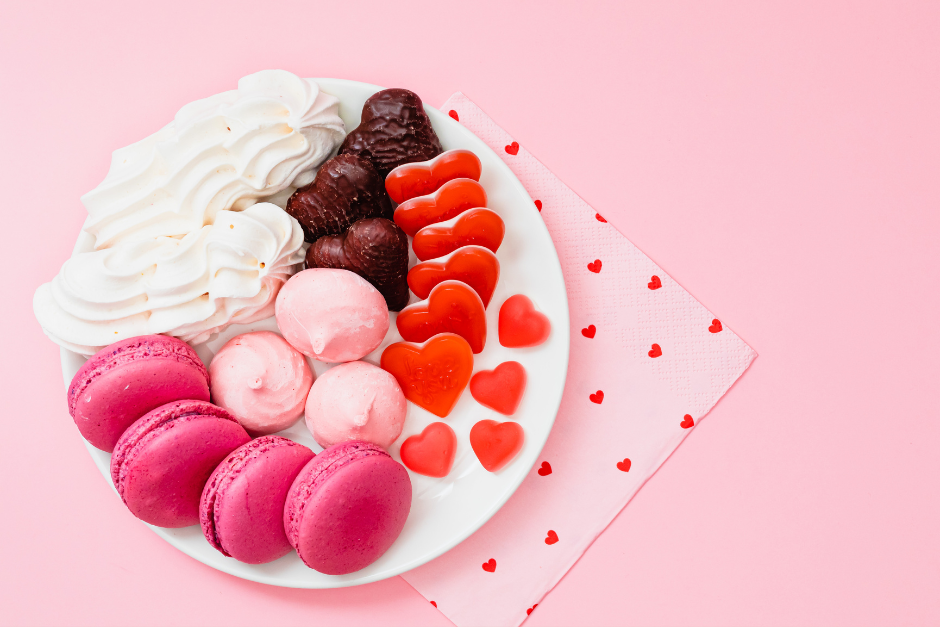
We know how much little ones love being part of the Valentine’s Day fun — the cards, the crafts, and of course, the treats.
But many Valentine’s candies are small, round, hard, or sticky, which can make them dangerous for younger children.
The goal isn’t to avoid fun altogether — it’s to find sweet swaps that keep the celebration just as special (and a lot safer).
Hard and Round Candies
Conversation hearts
Rockets (Canada)
Mini jawbreakers
Lollipops and hard candies
Jolly Ranchers or Werther’s Originals
These candies are small, firm, and can easily block an airway — especially in children under 4 years old, who are still learning to chew and coordinate swallowing.
Safer Swaps
Infants (6–12 months): Frozen fruit purée hearts (use silicone molds) or soft teething wafers
Toddlers (1–3 years): Yogurt melts, soft fruit leather cut into strips, or heart-shaped rice cakes
Preschoolers (3–5 years): Mini muffins or soft-baked fruit oat bars
Early school-age (5+ years): Soft gummy-style fruit chews that dissolve easily
Chocolate
Mini chocolate hearts or eggs (small and firm)
Chocolate-covered nuts or raisins
Candy-coated chocolates (such as M&Ms)
Thick chocolate pieces that break into hard chunks
Solid chocolates can lodge in the throat or melt unevenly, which increases the risk of choking.
Safer Swaps
Infants: Mashed banana or avocado blended with a hint of cocoa powder
Toddlers: Soft oat or date-based “chocolate” bites cut into small heart shapes
Preschoolers: Melted chocolate drizzled on soft fruit (like strawberries or raspberries)
Older kids: Chocolate-dipped strawberries or yogurt bark with fruit pieces
Marshmallows and Gummies
Standard marshmallows (sticky and moldable in the airway)
Gummy bears, gummy hearts, or fruit snacks
Jelly candies or pectin-based gummies
Even though they’re soft, these sweets can stick to the throat or mold to the airway — especially for children under 5 years old.
Safer Swaps
Infants: Soft, mashed fruit or silicone teethers for sensory play
Toddlers: Soft baked fruit bars or banana slices cut with a heart-shaped cookie cutter
Preschoolers: Homemade chia fruit gel (a soft, meltable gummy texture)
Older kids: Fruit kabobs (with blunt skewers and large-cut pieces)
Candy Jewelry and Toy-Filled Treats
Candy necklaces or bracelets
Candy “rings”
Plastic capsules or toys that come inside candy boxes
These small, round, and detachable pieces are easy to inhale — especially when kids run, laugh, or play while eating.
Safer Swaps
Infants: Cloth or felt hearts for sensory play
Toddlers: Sticker sheets, bath crayons, or Valentine stamps
Preschoolers: Heart-shaped crayons or playdough kits
Older kids: Craft kits or Valentine cards with non-food surprises
Quick Safety Reminders
Always have children sit down while eating — walking, running, or giggling while chewing increases the risk of choking.
Avoid foods that are round, hard, sticky, or firm until children have developed strong chewing skills (usually after age 4–5).
Most importantly, knowing what to do if a child chokes can make all the difference.
Learn More & Connect
Check out our Infant & Child CPR & Choking First Aid Class HERE!
Have questions? Message us on Instagram!