
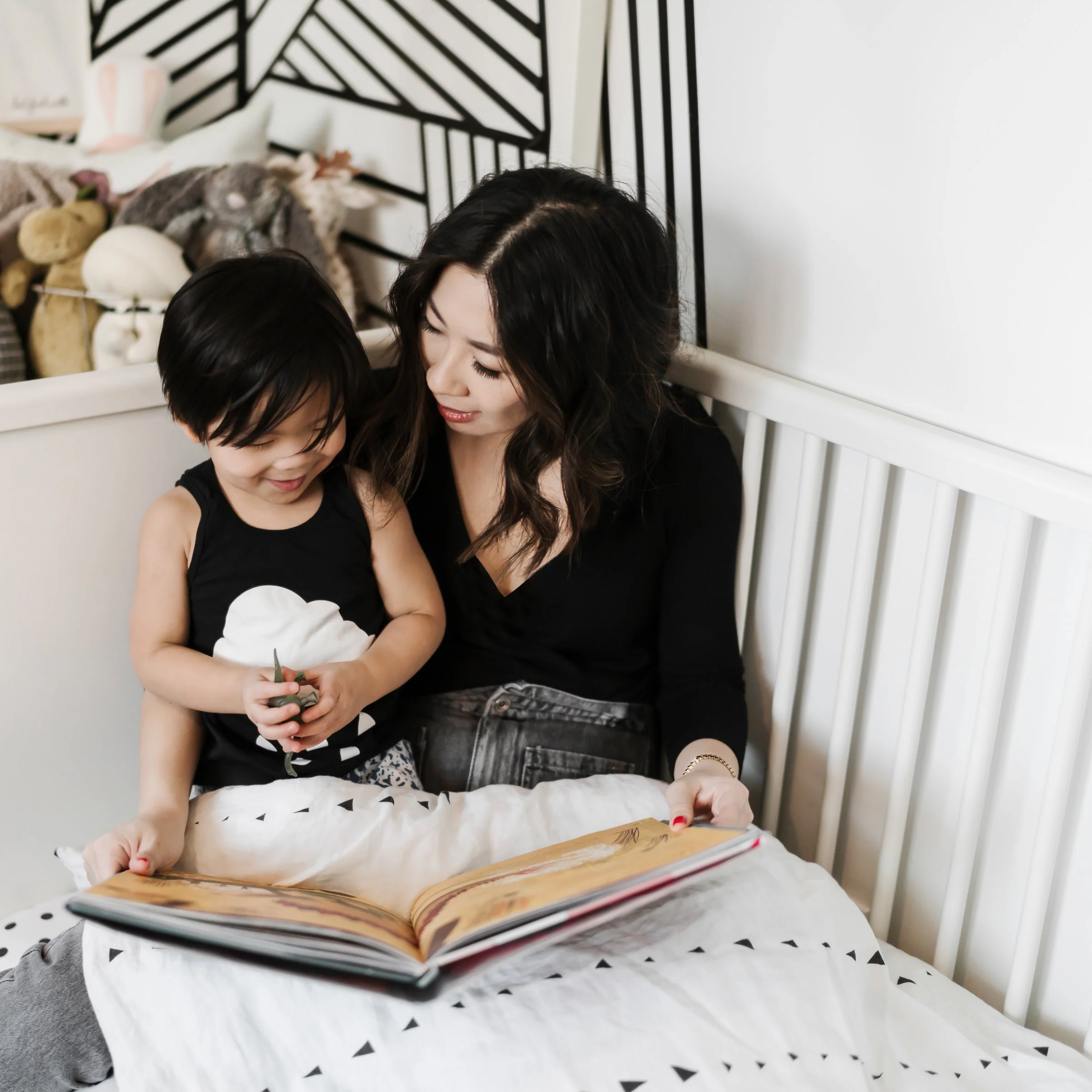
Talking to kids about disabilities can be challenging for parents and caregivers. It's essential to approach the conversation with sensitivity, openness, and honesty to foster understanding and empathy in children. Here are some strategies and implementable tactics to help you navigate this important discussion.
Treat is like a Normal Conversation
Children are naturally curious, and their questions about disabilities often come from a place of innocence and a desire to understand the world around them. Shushing them or avoiding the topic can unintentionally send the message that disabilities are taboo or something to be ashamed of. Instead, acknowledge their curiosity and provide clear, concise descriptions.
Example: If your child asks about a person using a wheelchair, you could say, "Some people use wheelchairs to help them move around because their legs work differently than yours."
By normalizing the conversation, you create an environment where disabilities are seen as a natural part of human diversity.
Leave the Specifics Out
It's okay if you don't have all the answers when discussing disabilities with your child. You don't need to know the specifics of every condition to have a meaningful conversation. Focus on what you do know and be honest about what you don't.
Example: If your child asks why someone has a particular disability and you're unsure, you could say, "I don't know the exact reason, but everyone has different strengths and challenges."
This approach teaches your child that it's okay not to have all the answers and encourages them to learn and ask questions respectfully.
Find Commonality with Other Peers and Interactions
Emphasize the similarities between people with disabilities and those without. Highlighting common interests and experiences can help children see that we are all more alike than different.
Example: "Even though Amy uses sign language to communicate, she loves playing soccer just like you do."
By focusing on commonalities, you help your child build connections and see beyond the disability to the person.
Having a Disability Isn’t Sad or Bad
It's important to challenge the misconception that disabilities are inherently sad or bad. Disabilities are a natural part of the human experience and should be viewed without pity or negativity.
Example: "Just because someone uses a different way to communicate or move doesn't mean their life is sad. Everyone has unique ways of doing things."
Promote a positive and respectful attitude towards disabilities, helping your child understand that different doesn't mean worse.
Disability is Human, Don’t Forget That
Reinforce the idea that disabilities are a part of human diversity, just like different hair colors, heights, or talents. This perspective helps children appreciate the richness of human experiences and fosters empathy.
Example: "People have different abilities, just like they have different likes and dislikes. Disabilities are just one way people are diverse."
By framing disabilities as a natural and normal aspect of being human, you help your child develop a more inclusive mindset.
Additional Strategies and Tips
In addition to the core principles mentioned above, here are some extra strategies to enhance your conversations about disabilities:
Use Inclusive Language: Model respectful and inclusive language when talking about disabilities. Avoid terms that can be seen as negative or derogatory.
Example: Instead of saying "suffers from" or "is a victim of," use "has" or "uses." For instance, "She has autism" or "He uses a wheelchair."Encourage Questions: Let your child know that it's okay to ask questions and express their curiosity. This openness encourages ongoing dialogue and learning.
Example: "If you have questions about disabilities, feel free to ask me. We can learn together."Introduce Diverse Role Models: Share stories, books, and media that feature people with disabilities in positive and empowering roles. This exposure can help children see the varied contributions and talents of individuals with disabilities.
Example: "Let's read this book about a scientist who is blind and made incredible discoveries."Promote Empathy: Encourage your child to think about how others might feel and to consider their perspectives. This practice fosters empathy and kindness.
Example: "How do you think it feels to use a wheelchair? What can we do to help make places more accessible for everyone?"Lead by Example: Demonstrate inclusive behavior in your actions. Show respect and kindness to everyone, regardless of their abilities.
Example: "When we meet someone new, let's greet them warmly and include them in our activities."Get Involved: Participate in community events or organizations that support disability awareness and inclusion. This involvement can provide practical experiences for your child to learn and grow.
Example: "Let's volunteer at the local disability awareness event this weekend."
Talking to kids about disabilities is a valuable opportunity to instill empathy, understanding, and respect from a young age. By normalizing the conversation, finding commonality, and promoting positive attitudes, you can help your child develop a more inclusive worldview. Remember, it's okay not to have all the answers—what matters most is your willingness to engage in open and honest dialogue. With these strategies, you can guide your child towards becoming a compassionate and informed individual.